
Most of us see the world in wonderful colour: bright, subdued, brilliant or dull. Even those with colour blindness generally see in colour, though without the colour range of those lacking the affliction. Many animals, too, live in a colourful world. And dreams come in colour.
Without colour our world would be lacking. Colours allow us to differentiate otherwise identical objects. They influence our emotions, provide camouflage for birds and animals, and enliven our living rooms with huge coloured televisions. (Anyone remember black and white television?) The prospect of art without colour is most depressing and would certainly lessen its impact.
Overall, I guess we can say that we take colour for granted with all the nuances it offers us about the world we live in.
It’s a pity then that we don’t understand our opinions in terms of colour.
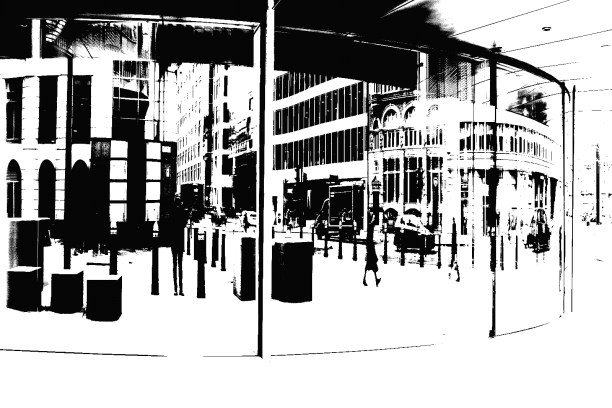
Too many people believe that opinions exist in a 2-bit colourful world. Issues are binary, black or white. There are no middle greys; no extenuating circumstances; something is either right or wrong. Sometimes it is; mostly it isn’t. It’s ideology at work: conservative/liberal, left/right, progressive/traditional.
Currently, we are amidst a largely 2-bit colour debate on the Caronavirus. It’s real; it’s fake news. It’s the flu; it’s much more than the flu. We should eradicate; eradication is not possible, we should eliminate. Masks should be worn; they infringe our freedom and legal rights. Or they work or don’t work. Hydroxychloroquine works or it doesn’t. We should be in lockdown/we need to open the economy.
So much black; so much white.
It’s largely the same with the climate crisis. Or is it climate debate? But at least this issue has some shades of grey: methods of remediation and minimisation, many of which make sense on their own merit. Or do they?
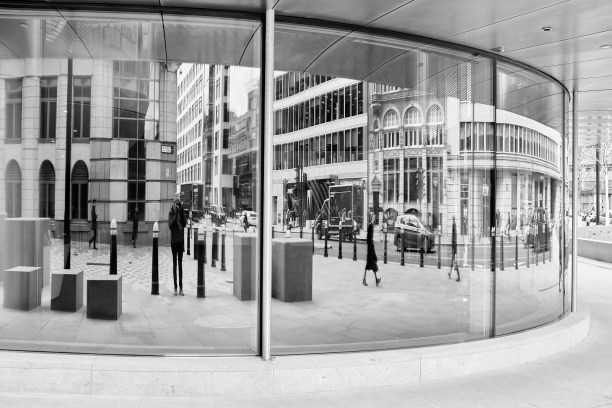
Eight-bit grey discussions allow some nuance, rather like limited colour vision. They also allow more scope for consideration of options, for changing views based on logic and evidence. Sometimes.
Sixteen-bit grey opinions and beliegs represent an even more open climate for discussion, with many more nuances to consider and influence opinions and decisions.
Scientific debates tend to be cast in greys because they generally focus on a small part of our understanding of how the world functions. Even so, most scientists are prepared to change their views and theories when confronted with overwhelming evidence counter to their current understanding. Thomas Kuhn explored this process of changing scientific theory in his 1962 book The Structure of Scientific Revolutions. Unfortunately, such flexibility of thought is untypical of political debates and contentious issues except when it is politically expedient to do so.
So much of current political debate, especially in two party (2-bit colour) states, is cast in terms of black/white or limited shades of grey, or both simultaneously. We need only look to America for evidence of this behaviour.
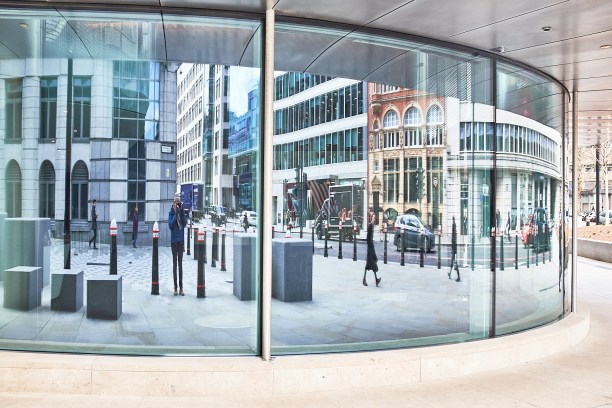
Open, honest and legitimate debate, however, requires our opinions and arguments to be in full colour, not grey, or black and white. Life is nothing but nuance; everything is a bit of this and a bit of that; connected to this or that. Nothing is pure: it’s all a shade of blue, or green, or orange or violet. Or of multiple shades of many colours, like rainbows.
Unless we explore opinions, beliefs and global challenges in a rich, nuanced conversation we limit our potential, our future, our experiences. We need coloured debates, not debates about colour (notwithstanding that this is an issue that needs to be addressed); not debates about right and wrong; not world views felt and expressed in black, white and grey.-
One might hope that this type of discussion may soon characterise our governmental institutions, especially our parliaments and political debates.
Our world is rich in colour. Why not our opinions.




 Words and images