
Waitara—a Maori word meaning hail, pure water, wide steps—is the name of a river and town in New Zealand, a town in Queensland and a suburb in Sydney.
Waitara, the suburb, has an above ground railway station like many places around the world. And, like most suburban stations above and below ground, Waitara’s station is small and old. It was originally opened in April 1895 to provide access to the northern areas of the growing city of Sydney and the colony of New South Wales.
Then as now, continuing population growth and usage called for continuing upgrades to the rail infrastructure. So a second northern rail line was installed passing through Waitara necessitating redevelopment of the station. The new station was opened in 1909 and remains at the core of today’s station.
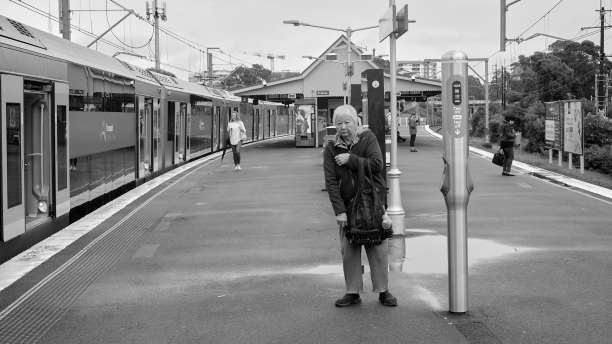
Since then, modernisation and more infrastructure upgrades have continued—electric trains, tap-on tickets and the like—allowing the station, and the whole suburban rail network, to remain relevant to travellers.
But some aspects of train travel have not changed since Stephenson introduced the world’s first public railway in 1825, the Stockton and Darlington Railway.
Above ground (suburban) stations remain essentially unchanged in their nature: long platforms surrounded by tracks and surmounted by a small or smallish cabin. Protection from the elements for travellers and security for the ticket seller are the main roles of the cabin. Irregular upgrades add facilities; perhaps a toilet, even a water fountain.
Upgrades are usually a reflection of the travellers’ desire for greater comfort and their expectations of a sophisticated rail network in our sophisticated society. Even at suburban stations. For those operating the rail network, upgrades are about keeping the network relevant and moving ever increasing numbers of travellers more quickly and safely.
But one aspect of today’s sophisticated rail networks has not changed: schedules. Trains still run on a schedule. So passengers wait for the next train. Sometimes they wait and wait and wait. But, at really sophisticated stations, at least they can see how long they will have to wait. And, of course, they can usually purchase from a machine a snack (unhealthy?) or sugary drink, such is our level of sophistication.

Politicians now see advantage in fostering new infrastructure to relieve road congestion (more roads, naturally) and population pressures, issues for which they too often fail to acknowledge their culpability.
One day, perhaps, we as a society will value suburban railway stations as central to a sophisticated, fair and just society. We will limit roads, knowing that more roads are but short-term solutions to poor urban planning and inadequate (or no) population policy.
Until then, visit a suburban railway station every so often and appreciate the foresight of those who, more than a century ago, established Waitara station.







 Words and images