
We all like a good story: happy or sad, of adventure, of loss, of perseverance…of experiences in and of life.
Storytelling is fundamental to us as humans. We tell stories, listen to them, seek them; sometimes we avoid them. Stories inform, persuade, challenge, entertain, strengthen and even weaken or break relationships. They punctuate our lives; they subsist in our being, in our environment. Without stories our lives loose much of their meaning.
Many stories are true, reflecting lived experience. But some are false, deliberately so. What makes one story true and another false is the basis of the story and its intent.
A true story is founded on, and relates, an event, action, process that actually happened. And while the telling may be embellished for storytelling purposes its intent is to share a personal experience. In the sharing may be found release, comfort, understanding, support, affinity, oneness, for both the storyteller and story taker.
On the other hand, a false—untrue—story, even though it may be based on some truth, has a different intent. Such a story may be designed to persuade, entertain, mislead, confirm biases or otherwise support a particular action or point of view.
When consuming a work of fiction—in any medium—we usually suspend our disbelief and enjoy the tale. We know it’s false after all. But sometimes, for some of us, our disbelief is replaced by belief, our biases reinforced, our beliefs confirmed. Some of us also consume truth as falseness, more evidence to support our beliefs and biases.
Fiction intended to change belief has a history as long as that for fiction intended to inform morals and behaviours. These later fictions are found in fables, parables, allegory, fairy stories; the bedtimes tales we tell our children both to instruct and entertain. To such fictions we respond (or expect the story taker to respond) with reverence, humour, belief, acceptance or understanding. The more profound the intended message the more we—the story taker—are challenged to understand, to grasp the insights offered through falsity.
So significant are stories to us that we laud successful stories and story tellers: Academy Awards, Pulitzer Prizes, Nobel Prizes, Booker Prizes, Walkley Awards. So many awards; so important to so many societies. But only for stories that exist in physical form.
Verbal, oral stories are transient, not captured in a document, physical or digital. Yet such stories have been around for much longer than recorded stories. First Australians, for instance, have been telling stories for tens of thousands of years. Such stories persist because of their importance to those societies; they are part of the culture, integral along with behaviours and beliefs.
Then there are other stories, not spoken or recorded.
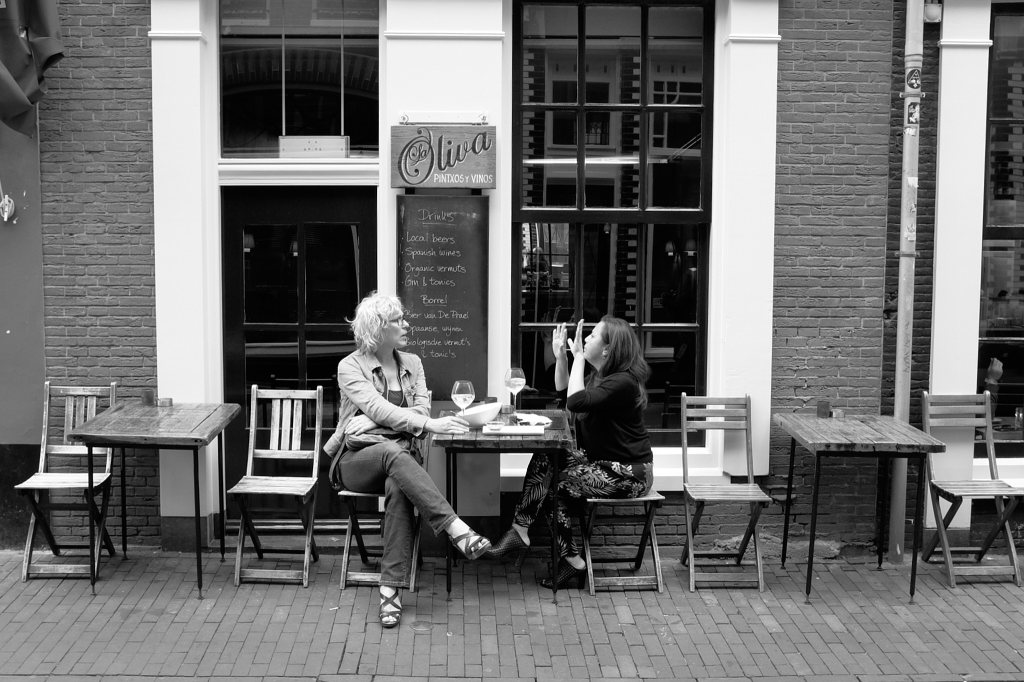
Some stories exist in our actions. They are implied. Open to reading and interpreting. There to be consumed if noticed. More personal than the truest ‘true’ story; their intent unclear, transient, confused. So much richer; so much more profound. So fleeting.

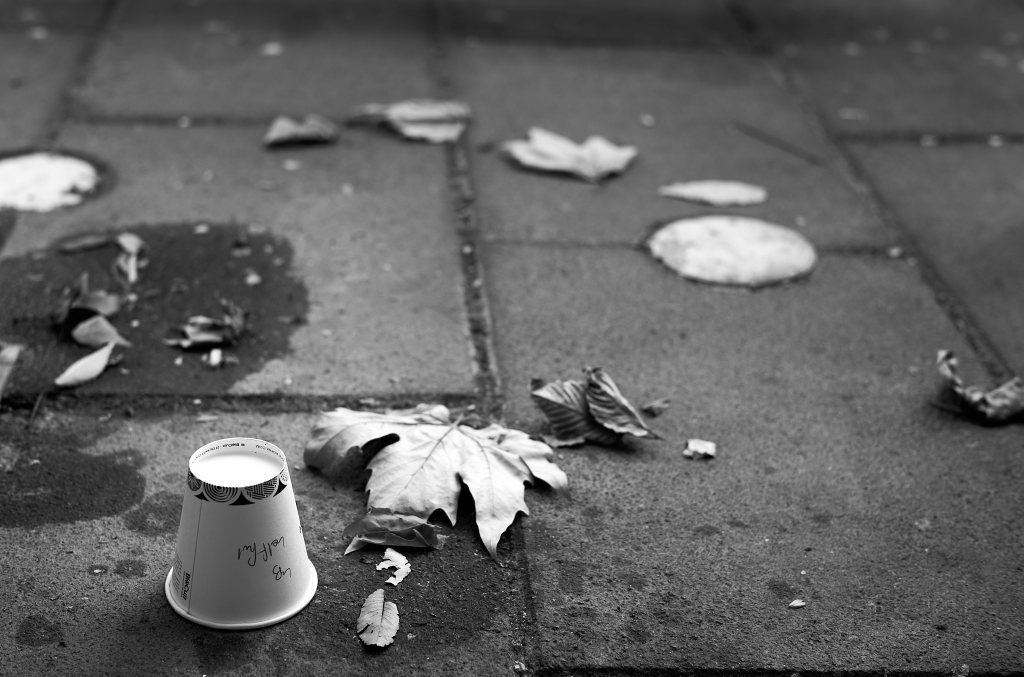
Finally, there are stories resident in the physical world that will never be told. Objects abandoned, buildings derelict, weed strewn vacant lots. The detritus of our society. How did these come to be? What events lead to their current state? What laughs, tears, fights, loving occurred there or were occasioned by them? Was the coffee cup discarded before it was empty? Was the coffee enjoyed? Why was it discarded just there? While there is always a back story those stories will never be told because no-one is interested in them; they are the trivia of life, of our civilisation. Yet those stories tell us as much about ourselves as any other story. They simply have no story teller. And no story taker.
 Words and images