
Time is, to me, a most enigmatic concept.
I can think of several approaches to the nature of time:
- Time is a real phenomenon. It exists now and always has. It was created along with space and matter.
- Time is an emergent phenomenon, emerging out of the creation of space and matter. A child of these physical properties, if you like. Something separate but related.
- Time is a construct, a concept humanity developed to assist in making sense of the seemingly senselessness of life, death, space, matter, the universe and whatever else we do not understand.
Whatever its nature, we have chosen to accept time as an independent phenomenon and to use timepieces to monitor it: water clocks, digital clocks, mechanical clocks, atomic clocks. We monitor time and its passing to provide one context to our life, the universe and the activities we engage in. We measure our work output in terms of units of production per unit of time; we assess the age of ourselves, others and the universe in terms of years. We agree to meet or talk with a friend or colleague at a particular arrangement of digits or hands on a clock face. And so on.
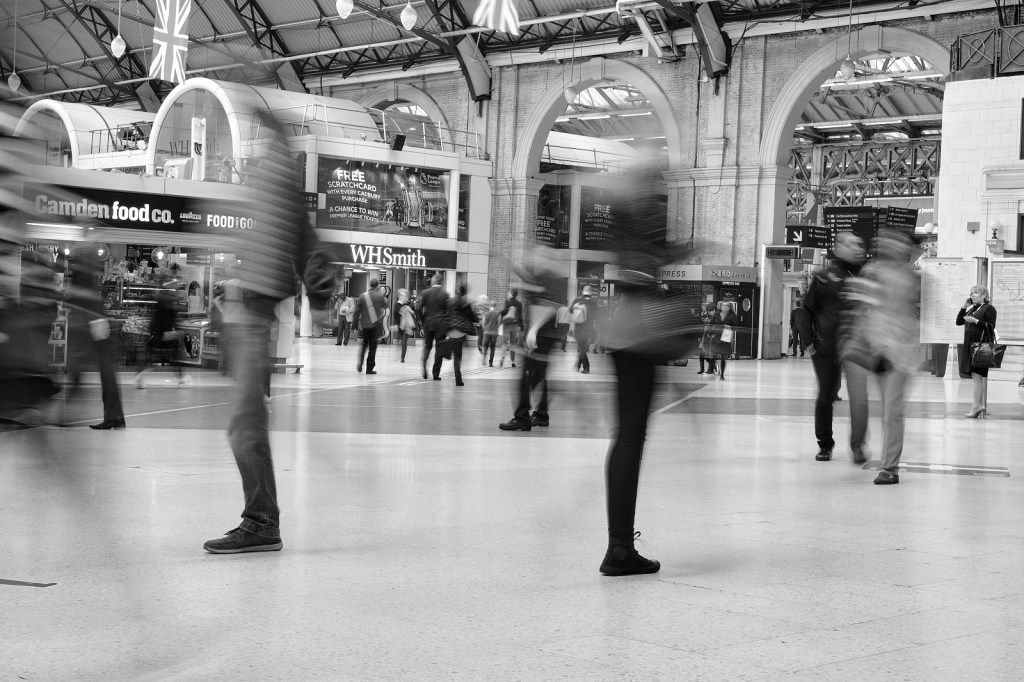
Without a sense of time our lives would exist in a void and be without rational bounds. Time and its measurement, are thus tightly integrated with our lives, its physical, emotional and spiritual aspects. For instance, imagine literature and stories without time: streams of consciousness; always in the now; no past from which to learn, no future to look forward to. And no heaven or hell, each of which is time-based (post-death). Everything is only now.
Without devices to quantify time, we live by the physical world: movement of the sun and moon, the ebb and flow of the tides, the changing seasons. Noticing and remembering these changes in the physical world provides the simplest of time pieces. Simple, but still sufficient for societies and civilisations to develop and function. Replacing memory with devices like sun dials, buckets of water and calendars, provides a more abstract, and specific, measure of the passage of time; an intermediate step towards personal, portable, always available time keeping.
But without sophisticated and accurate time keeping devices—clocks—there would be no GPS satellites, no computers, no television. There would be no modern Olympic or any other game or activity that relies on time, however short it might be—hours, minutes, seconds or microseconds—to provide a start and end point. Without calendars to measure the passing of longer periods of time, we would not know when an election was due, or when our holidays start and finish, when our children are due to be born.
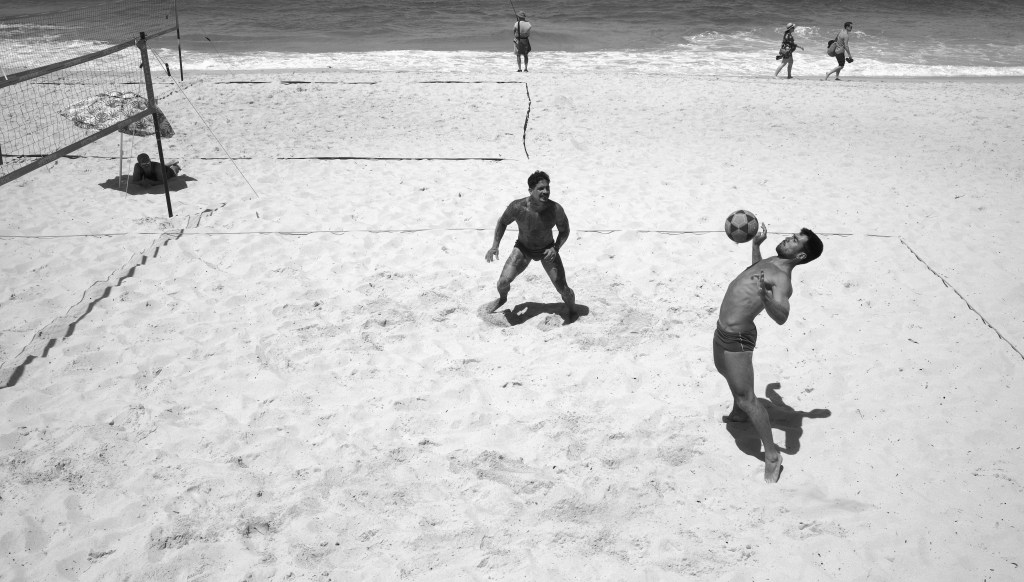
Without widespread use of clocks and a shared understanding of their role in organising social and private activities—and indeed of the role of time in organising life’s activities— coordinating actions across vast distances becomes difficult. Even locally we have ‘rubber’ time or flexible time, in which tardiness is accepted. How could it be otherwise?
What then is a moment of time? A duration of how much time? A second, a day, a month? We all have moments in our lives that we remember and some that we wish we could forget. So why is one moment of time more important to us than another, to be remembered or forgotten? It is, I believe, because that moment is more meaningful to us than they myriad of other moments that constitute our lives. If we measure our lives in terms of significant events or activities, what is the relation between these phenomena and time? Is meaningfulness a component of time? Does time reside within us or is it external to us, in terms of meaningfulness?
Ultimately, does it matter what time actually might be or why some moments are better or worse than another? What matters is the meaning associated with the moments. What matters is how those moments and their meaning combine to make us what and who we are and how they influence our interactions with the larger world that provides the context for our meanings. Thus meaning comes from location (where we are the time of the meaningful experience), action (what/who we see there), experience (what we are doing there) and others (who we share the experience with). Each of these aspects of meaning comes from a moment in time, a long moment or a short one. Time manifest.

 Words and images